
by Aaron Hills | Aug 14, 2026 | blog, News
Turning on your car heater during a chilly morning only to notice an unusual smell can be frustrating. A heater smell is often an early warning sign that something within your vehicle’s heating or air-conditioning system needs attention.
Common causes include mould or bacteria in the air-conditioning system, a clogged cabin filter, coolant leaks, or dust that has built up after long periods without using the heater. Continuing to use the heater without addressing the cause may worsen the smell and affect comfort or air quality inside your vehicle.
What Different Heater Smells May Mean
A persistent heater smell can have several possible causes. While some are relatively minor, others may require prompt attention to prevent further problems.
- Musty smell: Often caused by mould or bacteria growing within the air-conditioning system or a clogged cabin filter.
- Sweet smell: May indicate a coolant leak somewhere within the heating system.
- Burning smell: Dust that has accumulated after long periods without using the heater may burn off when it is switched on. If the smell continues after a short time, it could indicate an electrical issue that should be inspected.
Why You Shouldn’t Ignore a Heater Smell
Ignoring a persistent heater smell may allow the underlying problem to become worse over time. Mould or bacteria can continue to build up inside the air-conditioning system, clogged cabin filters may further reduce airflow, and coolant leaks or electrical faults can develop into more expensive repairs if left unchecked.
Continuing to use the heater may also worsen the smell and affect comfort or air quality inside the vehicle, particularly during longer journeys or daily winter commuting. Addressing the issue early can help restore clean airflow and prevent unnecessary inconvenience.
Book an Inspection Before It Becomes a Bigger Problem
Reliable heating is especially important during winter driving and longer road trips. If your heater continues to produce a musty, sweet, or burning smell after repeated use, it is worth booking a professional inspection to identify the cause.
At Angus Car Service, our experienced technicians can inspect your heating and air-conditioning system, check the cabin filter, assess coolant levels, and identify any underlying issues affecting your vehicle’s comfort and performance. Addressing the problem early may help prevent more costly repairs and keep your cabin air fresh throughout the colder months.
If your car heater has developed a persistent musty, sweet, or burning smell, don’t ignore it. Book an inspection with Angus Car Service today. Our experienced team can identify the cause and help keep your vehicle comfortable, reliable and ready for winter driving.
FAQS
Q: Why does my car heater smell musty?
A: A musty smell is commonly caused by mould or bacteria inside the air-conditioning system or a clogged cabin filter. A professional inspection can identify the source and recommend the appropriate solution.
Q: Why does my car heater smell sweet?
A: A sweet smell may indicate a coolant leak within the heating system. Because coolant plays an important role in your engine’s cooling system, it is best to have your vehicle inspected as soon as possible.
Q: Is it safe to keep using my heater if it smells?
A: If the smell persists, it is best to have your vehicle inspected. Continuing to use the heater may worsen the smell and affect comfort or air quality inside the cabin.

by Aaron Hills | Jul 20, 2026 | blog, News
Frantically wiping the inside of your windscreen with a fast-food napkin while you are already running late for work usually just leaves the glass covered in greasy streaks. Waiting for the heater to eventually clear the fog away is a highly frustrating morning ritual.
A little morning mist happens when the temperature drops, but if your cabin feels like a damp sauna every single day, your car is likely hiding an underlying issue.
At Angus Car Service, ourlocal workshop team looks at chronic condensation as a clear warning sign that tells us exactly what is failing behind your dashboard.
A Quick Five-Minute Inspection You Can Run in the Driveway
Troubleshooting a foggy cabin comes down to finding exactly where the water is hiding or testing why your fans cannot push it out.
- Trapped moisture soaking your interior requires a fast touch test. Press your hand hard into the passenger footwell carpets and check under the heavy rubber mats. If the fabric feels damp, you may have a blocked air-conditioning drain or another source of water entering the cabin.
- A struggling air-conditioning system needs a simple button check. Many drivers do not realise that turning the A/C on alongside the heater actively dehumidifies the air. Hit the A/C button and listen for the click under the bonnet. If the glass stays foggy, your air-conditioning system needs a professional mechanical inspection.
- Sudden fogging right after heavy rain means you should inspect your rubber seals. Open your doors and run your fingers along the rubber seals to feel for cracks or flattening where water could enter. If fogging regularly appears after rain, it is also worth having the windscreen, boot seals and heater core checked for hidden leaks.
- A severely clogged cabin air filter is easy to diagnose by holding your hand over the dashboard vents. If the fan sounds incredibly loud but you barely feel a breeze hitting your skin, that paper filter is likely choked full of leaves and street dust.
Why You Cannot Ignore Trapped Cabin Moisture
Driving with restricted visibility is one of the biggest winter driving hazards. Wiping a tiny porthole in the condensation with your hand leaves you completely blind to pedestrians and braking traffic.
Beyond the immediate danger, leaving standing water inside your vehicle gives mould the perfect dark, damp environment to damage your upholstery and rust your floor pans.
Wiping the inside of your glass every morning is a highly frustrating way to start your commute. Bring your vehicle into ourfriendly workshop and let our mechanics run through the faults with you. We will inspect your air-conditioning system, check the drainage system, clear blocked drains where necessary and track down exactly where the moisture is entering your vehicle.
Stop battling a foggy windscreen window every morning. Book your vehicle with Angus Car Service today and let our top technicians identify the cause, restore your demister’s performance and keep you driving safely this winter.
FAQS
Q: How often should I change my cabin air filter?
A: You should swap that paper filter out every 10,000-15,000 kilometres or according to the manufacturer’s service schedule. If you park under trees or sit in heavy traffic every day, changing it sooner stops old leaves from choking the fans and blowing a musty smell into your face.
Q: Can a blocked A/C drain ruin my carpets?
A: Yes. When the tiny rubber condensation tube blocks up with road grime, the water overflows directly into your passenger footwell. Leaving that puddle to soak into the fabric can damage the carpet, insulation and electrical components beneath the flooring and eventually short out the expensive wiring harnesses hidden under the dash.
Q: Do I use the heater or the A/C to clear the windscreen?
A: You need to run both at the same time. The heater warms the windscreen while the A/C system removes moisture from the air, helping clear condensation much faster.
by Aaron Hills | Jun 12, 2026 | blog, News
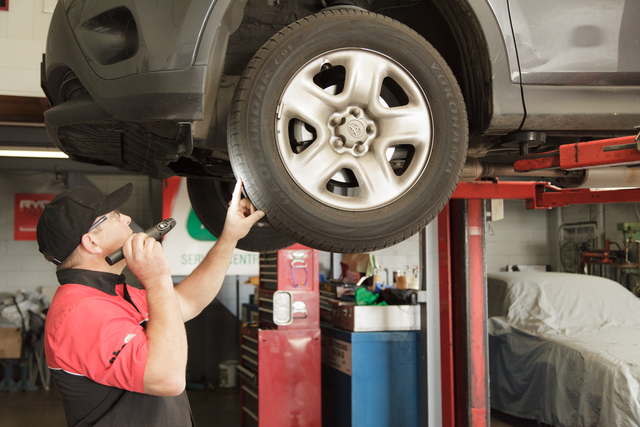
You are running late for the school drop-off and pushing through heavy morning fog across the Penrith region. The car in front suddenly slams on its brakes and your foot instinctively hits the pedal. That split-second feeling of the chassis sliding under ABS modulation – even just an inch – is enough to spike your heart rate.
Has this ever happened to you?
At Angus Car Service, we see how heavily modern vehicles rely on advanced safety systems. The hard truth remains that all that expensive technology turns useless the second your tyres are too bald to physically grip the wet road surface.
Our family-run workshop has been running diagnostics on local cars since 1988.
Before you load the kids into the back seat this winter, checking your tread blocks is the most effective seasonal safety check you can do.
Why Cold Roads and Water Demand Deeper Treads
Standard synthetic rubber actually gets quite hard when the temperature drops below 7°C, which drastically reduces your tyre’s ability to grip the bitumen. When heavy rain hits a cold road, a physical wedge of water builds up right in front of your rolling wheels.
Healthy tyres in winter are designed to disperse large volumes of water through deep tread grooves to maintain road contact.
The real trouble starts once your tread wears down below the 3mm mark, as that water dispersal performance reduces significantly. Tyre mechanics set 3mm as the hard safety limit for wet conditions because the water channels physically stop working past this point.
While the absolute legal limit in Australia sits at 1.5 mm across the main grooves, or once the tread depth is generally the same height as the factory wear indicators.Waiting for your rubber to hit this bare minimum puts your car at severe risk of hydroplaning.
When you hit a puddle with low tread, the rubber lifts off the tarmac and rides on top of the water instead of gripping the road surface, instantly stripping away your steering and braking control.
It is easy to trust advanced safety systems like Electronic Brake Force Distribution (EBD) and traction control, but those computers rely entirely on the physical grip of your tyres to stop a slide.
You also want to check the four-digit manufacturing date code stamped on the sidewall. Rubber naturally degrades and cracks after five to ten years, regardless of how much tread you still have left.
Pairing a safe 3mm tread depth with the correct tyre pressure, which you can usually find printed on your driver’s door jamb, provides the exact footprint required to keep your car tracking safely through wet winter conditions.
Spotting the Warning Signs Before the Rain Hits
To prevent an emergency before you hit the highway on a wet morning, checking your tread depth needs to become a monthly habit.
Watch for these warning signs that it may be time to change your tyres in Jamisontown.
- Your car slips in wet conditions or loses traction easily while accelerating.
- Steering inputs feel vague or less responsive when turning sharp corners in heavy weather.
- Braking distances extend noticeably longer than they were a few months ago under normal pedal pressure.
- Uneven tread wear shows up on the outer or inner shoulder blocks of the tyre to indicate a bad camber or toe alignment.
- Frequent air pressure loss happens due to a slow bead leak or a hidden puncture that requires constant top-ups.
- The rubber wears down flush with the built-in Tread Wear Indicators (TWIs) sitting inside the central grooves.
When you glance out the window on a dark, rainy morning, are you absolutely confident your car will stop in an emergency? Or are you just crossing your fingers before braving the wet streets of Penrith?
Ignoring your tyre tread depth is a gamble you simply do not have to take. At Angus Car Service, we pride ourselves on being an award-winning workshop that ditches the intimidating mechanic stereotypes, ensuring everyone, especially ourwomen drivers, feels comfortable, respected and heard.
We believe vehicle safety should feel approachable, transparent and stress-free for every driver. Every time you book a service with us, we give back by planting a tree and giving 5 days of education to a child in need on your behalf.
Book your winter tyre inspection with Angus Car Service and make sure your car is ready for safer driving in wet winter conditions.
FAQS
Q: Do you need winter tyres in Australia?
A: Most parts of Australia experience mild winters, meaning standard all-season tyres are perfectly fine for year-round driving. However, if you are heading into alpine regions where temperatures consistently drop below 7°C and roads are covered in ice or snow, fitting specialised winter tyres is highly recommended for your safety.
Q: What is the 3% tyre rule?
A: This rule states that when you replace your old tyres with a different size, the overall diameter of the new tyres must not differ by more than 3% from the manufacturer’s original specifications. Staying within this limit makes certain your speedometer remains accurate and prevents your car’s modern safety systems from malfunctioning.
Q: How many kilometres do tyres last in Australia?
A: There is no set expiry date, but tyres generally last for approximately 40,000 kilometres under normal driving conditions. If you regularly drive on well-maintained roads and avoid carrying heavy loads, your tyres will last longer, though you must still replace them if the rubber degrades or the tread wears thin.

by Aaron Hills | May 18, 2026 | News
Aussie roads can give your car a proper workout! Potholes, speed bumps, rough suburban streets, uneven surfaces, regional roads and long-distance driving all place pressure on your suspension system.
The tricky part is that suspension wear builds up. One day, the ride feels a little bumpier, the next your car pulls slightly to one side, and before long, what started as a minor issue can begin affecting safety, comfort and repair costs. Your suspension does more than keep your drive smooth.
It helps your tyres stay in proper contact with the road, supports stable handling, assists braking performance and helps protect other parts of your vehicle from extra strain. When suspension components wear out, your car may still drive, but it may not respond as safely or predictably as it should.
5 Signs Your Suspension May Need Attention
1. Your ride feels rougher than usual
If every bump, dip or uneven patch of road feels harsher than it used to, your shocks or struts may no longer be absorbing impact properly. This can make even short trips feel uncomfortable.
2. Your car pulls or drifts
A car that pulls to one side, drifts through corners or feels unstable on the road may have suspension or alignment issues. This can affect your control, especially at higher speeds or in wet conditions.
3. Your tyres are wearing unevenly
Uneven tyre wear can happen when your suspension is no longer keeping your tyres balanced against the road. You might notice one side of a tyre wearing faster, patchy tread wear or tyres needing replacement sooner than expected.
4. Your car dips forward when braking
If the front of your car dives down when you brake, your suspension may be struggling to manage weight transfer. This can affect braking stability and make the car feel less controlled.
5. You hear clunking or rattling over bumps
Clunks, rattles or knocking sounds when driving over bumps can point to worn suspension parts, loose components or damaged bushes. It is worth checking these noises early before the issue becomes more expensive.
Suspension problems rarely fix themselves. Leaving them unchecked can lead to extra tyre wear, poorer handling, longer-term damage and a less safe driving experience.
Have you noticed a rougher ride, unusual noises or changes in how your car handles?Book a suspension check with Angus Car Service.
FAQs
Q: What does worn suspension feel like?
A: Worn suspension can make your car feel rough, bouncy, unstable or noisy over bumps. You may also notice pulling, dipping under brakes or uneven tyre wear.
Q: Can I keep driving with suspension problems?
A: You may still be able to drive, but it is better to have the issue checked early. Suspension affects handling, braking and tyre contact with the road, so delaying repairs can compromise safety.
Q: How often should suspension be checked?
A: It is a good idea to have your suspension checked during regular servicing, especially if you drive on rough roads, notice changes in ride comfort or handling or notice any unusual noises.
by Aaron Hills | Apr 24, 2026 | blog, News
At Angus Car Service, we know that with bills piling up in 2026, it is tempting to skip your car service to save a few dollars today. But we saw first-hand during the pandemic that putting it off ends up costing way more when those small issues turn into major breakdowns. This guide looks at:
- Why low kilometres do not mean your car is safe from wear.
- The specific mechanical disasters, like blown engines and broken belts, caused by delay.
- The cost reality of why a few hundred dollars today saves you thousands tomorrow.
- How to spot the warning signs on your own windscreen before a minor fix becomes a major breakdown.
We know that things are tight right now. Between the grocery bill and the mortgage, looking at your car’s service sticker can feel like a burden you would rather ignore. It is tempting to think that because you have not driven much lately, the service can wait another six months.
But at Angus Car Service, we have seen exactly where that logic leads. During the COVID-19 pandemic, we saw a massive shift in how people maintained their cars. When the world started moving again, our workshop was filled with vehicles that had not been seen in two years. The results were not just overdue services; they were mechanical catastrophes.
Before you decide to push your service date back, here is the reality of what happens under the bonnet when maintenance takes a backseat.
We All Learned The Hard Way That Idle Cars Still Age
One of the biggest myths we heard after the lockdowns was that a car not being driven is a car that is not wearing out. The opposite is actually true.
Modern vehicles rely on fluids and seals to stay lubricated. When a car sits for too long or only does short trips to the shops, the oil degrades and moisture builds up in the engine. This leads to engine sludge that can eventually cause a motor to seize.
We regularly saw cars with low kilometres but two-year-old oil that required a full engine flush or a total replacement.
Those Small Mechanical Warnings Can Quickly Turn Into Disasters
When you skip a standard service, you are missing a professional inspection that identifies issues while they are still quiet and cheap to fix.
- A routine timing belt replacement costs a few hundred dollars but prevents a snapped belt from destroying your engine’s valves and pistons, which can lead to a repair bill of $5,000 or more.
- Replacing your brake pads is a simple, quick fix that stops them from wearing down to the metal and seizing your caliper’s, saving you from a major brake system overhaul.
- Catching a small coolant leak usually takes 10 minutes and a $150 hose replacement, but ignoring it until the car overheats on the highway can lead to a $3,500 blown head gasket.
- Catching worn bushings or a slight misalignment during a service prevents uneven tyre wear, ensuring you do not have to replace four tyres just because of a missed wheel alignment.
The Math Proves That Delaying Maintenance Is Not A Saving
Maintaining your car is not about giving money to a mechanic; it is about protecting your biggest mobile asset. With new car wait times still high and the average age of Australian cars now over 10 years, your current vehicle needs to last.
A full service history is also your best insurance policy for resale value. When you eventually go to sell or trade in, a gap in the logbook during this current cost-of-living crisis will strip thousands off your asking price.
This is because a complete record shows a future buyer that you prioritised the car’s health even during times of high inflation and economic pressure, giving them the confidence to pay a premium for a well-maintained machine.
At Angus Car Service, we pride ourselves on being a workshop where every driver feels respected and heard. We focus on transparency because we know many women have had negative experiences at other garages.
We will show you the problem and explain “the how and why” in plain English so you are always in control of the decision.
Take A Second To Check Your Service Sticker
Take a look at the small sticker in the top right corner of your windscreen and check the two numbers written on it. You need to look at both the date due and the kilometres due; whichever one of these you hit first is when your service is officially required.
If that date has passed, or if your odometer has ticked over that number, your car is currently running on borrowed time. Book your service online or call us on 02 4732 3676 today. Let us catch the small things before they become big, expensive problems.
FAQS
Q: My car has been sitting in the garage; do I still need a service?
A: Yes. Engine oil and brake fluid absorb moisture from the air over time. Most manufacturers require a service every 6 to 12 months to replace these degraded fluids and check that rubber seals have not dried out or cracked while sitting.
Q: How often should a car be serviced in Australia?
A: Professional servicing is generally recommended every six months or 10,000km (whichever comes first). Your car’s logbook or owner manual will provide the specific milestones required to maintain your safety and vehicle warranty.
Q: What is the 30-60-90 maintenance schedule?
A: These milestones (30,000km, 60,000km and 90,000km) are when major components like spark plugs, transmission fluids and timing belts are due for replacement. Staying on top of these specific intervals is the best way to prevent total engine failure.
Q: Can skipping a service affect my insurance?
A: Yes. If a mechanical defect like bald tyres or failed brakes contributes to an accident and that defect would have been caught in a scheduled service, your insurer may have grounds to reduce or deny your claim.
by Aaron Hills | Mar 17, 2026 | blog, News
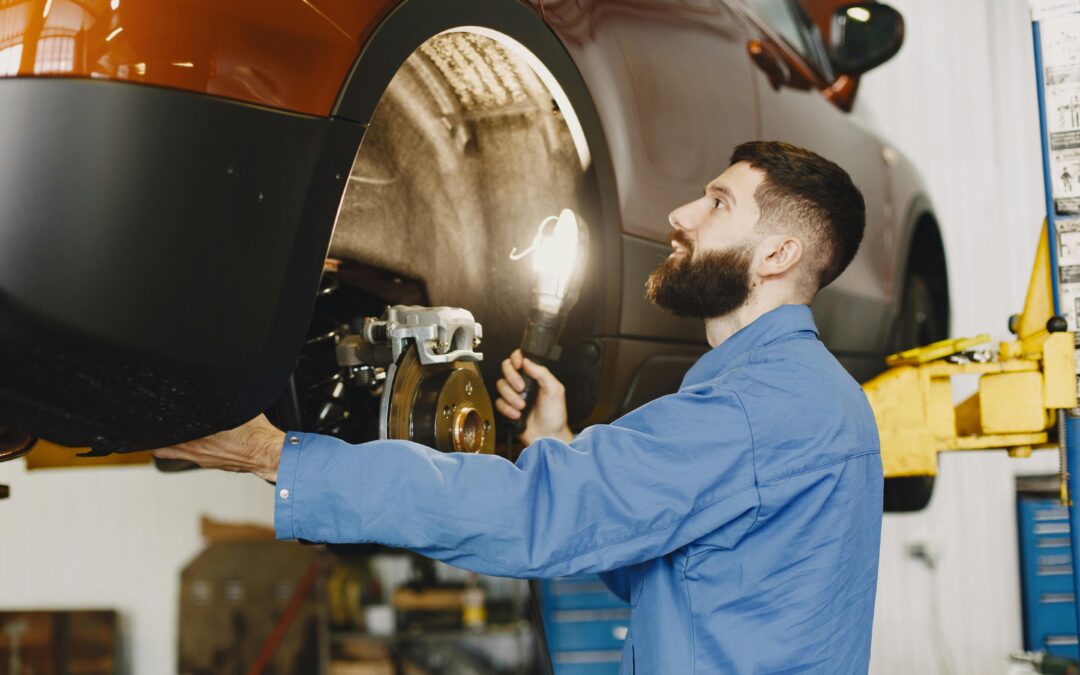
At Angus Car Service, we know that while a beefy engine is great for merging onto the M4, it’s your brakes that actually do the heavy lifting when traffic hits a standstill at the Mulgoa Road off-ramp. We like to say: your engine gets you moving, but your brakes keep you and everyone else safe.
In our neck of the woods, brake issues often start as a tiny squeak that’s easy to ignore while you’re cruising past the Panthers or heading down to the Nepean. But whether you’re tackling the daily grind in the CBD or navigating the steep descent down Lapstone Hill, those small sounds can turn into big headaches (and bigger bills) fast.
Here’s our guide to what every Penrith driver needs to know about their braking system.
1. Brake Checks Before Going on Holidays
Planning a road trip? Start with the parts that stop the car!
Whether you’re dealing with a heavier vehicle load for a camping trip or navigating stop-start traffic on a long highway run, your brakes need to be ready for the inevitable sudden braking that comes with holiday congestion.
Before travelling, we recommend checking:
- Brake pad thickness
- Rotor condition
- Brake fluid level and quality
- Any vibration or steering shudder
- Any squealing or grinding noises
A quick inspection can prevent breakdowns, expensive emergency repairs, and safety risks. If you’re heading away from Penrith, book in for a pre-trip brake check for peace of mind.
2. Why Bedding-In New Brakes Matters
You wouldn’t hike the Blue Mountains in a pair of boots straight out of the box, would you? Think of new brake pads as fresh boots. After new brake pads are fitted, they must be “bedded in”, which is a controlled process of gradual braking that transfers an even layer of pad material onto the rotor surface.
When done correctly, it:
- Improves braking performance
- Prevents vibration
- Reduces uneven wear
- Extends brake life
Heavy braking immediately after installation can cause uneven deposits and future shuddering.
At Angus Car Service, we don’t leave this step to chance. We professionally bed the brakes in for you before the vehicle leaves our workshop. It’s part of doing the job properly and ensuring your new brakes perform the way they should from day one.
3. Why Rotors Must Be Checked When Replacing Brake Pads
One of the most common questions we hear is: “Can you just replace the brake pads?”
The answer depends on the condition of the brake rotors. Since your pads press directly against these discs to stop the car, they need a perfectly smooth surface to bite into. If the rotors are grooved, heat-spotted or uneven, the new pads won’t sit correctly. And if the metal has worn down below the safe minimum thickness, it simply won’t have the meat left to dissipate the heat, leading to:
- Vibration when braking
- Noise
- Reduced braking performance
- Premature wear of your new pads
- Loss of warranty
In some cases, rotors can be machined. In others, replacement is the safest option. We always measure rotor thickness and condition and explain exactly what we’re seeing so you can make an informed decision.
4. When Should You Have Your Brakes Checked?
Before a minor squeak turns into a major drama on the Great Western Highway, your braking system will usually drop a few hints that it’s feeling the pressure.
Book a brake inspection if you notice:
- Squealing or grinding noises
- Steering wheel shudder
- A soft or spongy brake pedal
- Longer stopping distances
- A glowing brake warning light
Even without symptoms, we recommend having your brakes inspected at least once a year. Waiting until the noise gets loud often means more expensive repairs.
Why Brake Maintenance Matters
Whether you’re doing the school run in Glenmore Park or heading out for a weekend trek, a regular brake inspection is your best insurance policy. It’s the difference between a controlled stop and a heart-in-mouth moment on the M4.
Regular brake inspections:
- Provide peace of mind
- Protect your family
- Prevent costly damage
- Improve vehicle performance
At Angus Car Service, we’ve built our reputation on keeping Penrith families moving with honest, no-nonsense advice and the kind of quality workmanship we’d want for our own cars. Book your brake check today if you have concerns about your brakes or just want reassurance.