by Aaron Hills | Oct 9, 2026 | blog, News
Spring has arrived, the weather is warming up and suddenly that drive to the coast or weekend away sounds much more appealing…but, your car might have other ideas.
After a winter of school runs, commuting and shorter local trips, a longer highway drive can put a different kind of demand on your vehicle. You do not need to dismantle the car in the driveway before every trip, but checking a few basics before you leave can save you from discovering a problem when you are several hundred kilometres from home.
Start Under the Bonnet
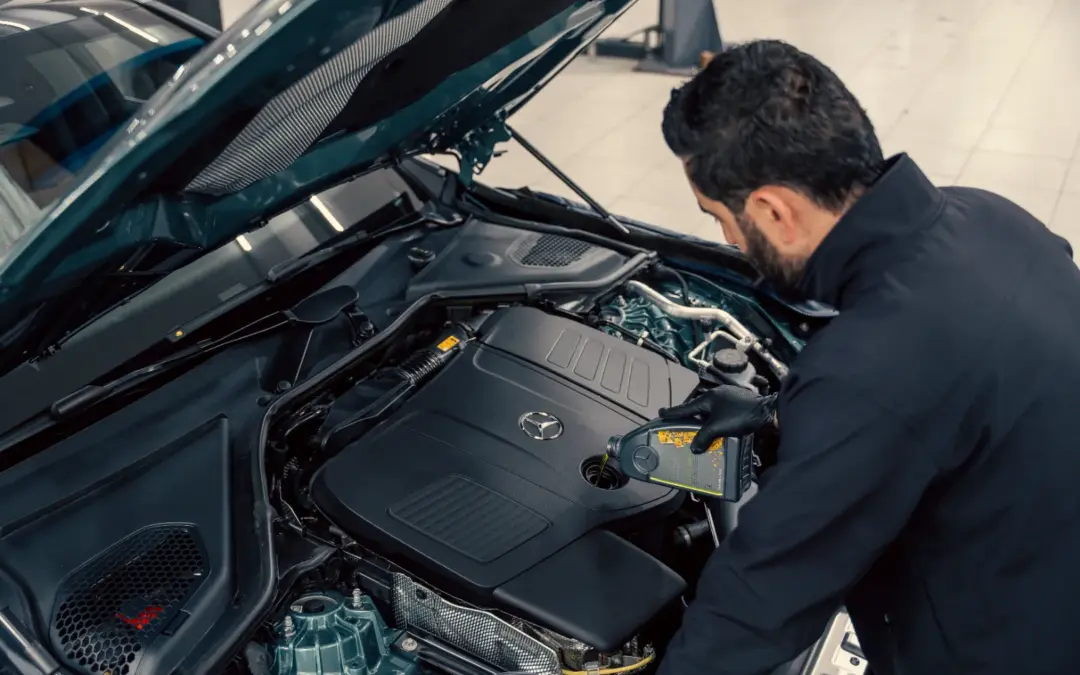
Oil, coolant and other fluids are some of the first things worth checking before a longer drive. Low levels, visible leaks or fluids that need attention may point to something worth investigating before you leave. Your battery deserves a look too.
Battery-related problems are a leading cause of roadside assistance callouts, so a battery that has been slow to start or has been behaving strangely is probably not something to ignore before a holiday. If your car is almost due for its regular service, getting it done before the trip can also make more sense than stretching it out until you get home.
It is also worth checking belts and hoses for obvious signs of wear, cracking or leaks. A mechanic can spot issues that are easy to miss at home, particularly around the cooling system before the warmer weather and longer drives put it under more pressure.
Give Your Tyres and Brakes Some TLC
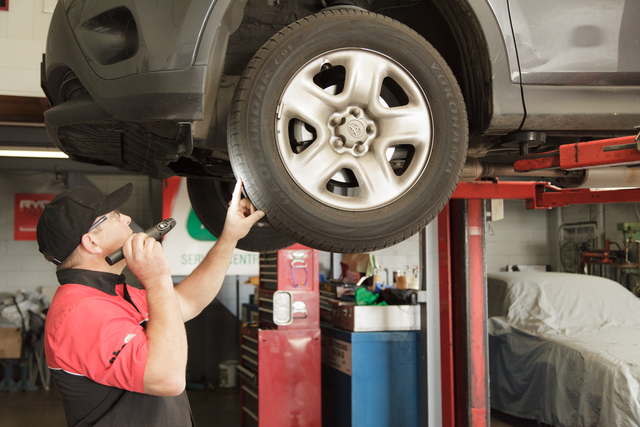
Highway driving means sustained speeds, longer distances and potentially a car full of people, luggage and holiday gear. Check your tyre pressures against the manufacturer’s recommendation, inspect the tyres for damage and make sure there is plenty of tread left. In NSW, tyres need at least 1.5 mm of tread across the area that contacts the road. Don’t forget the spare either!
If you are loading the car with passengers and luggage, check whether the manufacturer recommends a different tyre pressure for a heavier load.
Brakes are just as important. Squealing, grinding, vibrations or a change in the way the brake pedal feels are all reasons to have them checked rather than hoping the problem disappears somewhere along the highway.
Get Ready for Spring Weather
Spring weather has a habit of changing quickly, so check your wiper blades, washer fluid, headlights, brake lights and indicators before heading off. Wipers that smear rather than clear the windscreen usually become much more annoying the moment the rain starts. Give the windscreen a good clean inside and out too. Glare from the spring sun can make smears and marks much more noticeable when you are driving.
Now that the warmer days are returning, test your air conditioning before you actually need it. There are few things less enjoyable than discovering halfway through a hot road trip that your air con has decided to take its own holiday.
Angus Car Service also offers air-conditioning servicing alongside general vehicle servicing and repairs.
Pay Attention to the Little Things
A warning light that appears occasionally, a new rattle, a small leak on the driveway or a strange noise when you turn the wheel can be easy to put off when you are only driving around town. When you are about to embark on a long trip, however, those little signs are worth taking seriously.
They may turn out to be minor, but finding that out at your local workshop is much easier than trying to diagnose the problem at the side of the road halfway through your holiday.
Got a spring road trip coming up? Give your car a little attention before you start packing. The Angus Car Service team can check, service and repair your vehicle before you head away, including brakes, cooling systems, tyres, general repairs and air conditioning. Book your car online and get one more thing crossed off the holiday checklist.
FAQs
Q: What should I check on my car before a road trip?
A: Check your tyres, fluids, battery, brakes, lights, wipers and windscreen before leaving. It is also worth having any warning lights, leaks or unusual noises investigated.
Q: Should I service my car before a long road trip?
A: If your scheduled service is approaching, getting it done before you travel can be a sensible option. A mechanic may also identify worn or damaged parts that are better addressed before a long drive.
Q: Should I check my air conditioning before a spring or summer road trip?
A: Yes. Test your air conditioning before your trip so you have time to investigate poor cooling, unusual smells or other problems before warmer weather arrives.
Q: How should I check my tyres before a road trip?
A: Check the tyre pressure against the vehicle manufacturer’s recommendation and look for worn tread, cracks, damage or foreign objects. Remember to check the spare tyre as well.
by Aaron Hills | Sep 14, 2026 | blog, News
It has been three years since we moved Angus Car Service to a four-day work week, so we thought it was probably time for a proper review! We want to share the good, the bad and the slightly inconvenient…
We still work a full 38-hour week. We just do it across four longer days, giving our team a three-day weekend every week.
And after almost three years, we’ve learned a few things.
Why Did We Move to a Four-Day Work Week?
By 2023, we had worked through COVID as an essential business, dealt with uncertainty, adapted constantly, and then faced the ongoing shortage of qualified mechanics.
We eventually got our team back to where we wanted it, but we realised something important along the way: we were burnt out.
At the same time, our customers’ needs were changing. Plenty of people were working longer hours themselves, which meant later vehicle pickups and longer days for our team. An eight-hour workday could easily become a ten-hour day.
We also knew that running-on-empty mechanics are not exactly something anyone wants under their hood. Working on vehicles requires focus, care and attention to detail. Your safety matters. The quality of workmanship matters. And having a team that is focused and performing their best matters.
Just like a car needs regular servicing and time in the workshop to keep it running at its best, our crew needs proper time off to recharge, reset and come back ready to perform at their best. It made sense for them, for our customers and for the quality of work we do.
The four-day work week seemed like a pretty good place to start.
We Learned Some Things Along the Way!
One of the biggest things we’ve learned is that a day off only helps if you actually take some time off.
Some of us, management included, quickly discovered that filling Friday with another job, endless errands or a packed schedule defeated the point. We learnt pretty quickly that we still need proper rest – even half a day of doing very little can make a huge difference.
Longer workdays have made fitting exercise in a little trickier, although we have found solutions to work around it.
What Has Worked Really Well?
Our customers love the longer opening hours. Longer days from Monday to Thursday mean more flexibility for customers who can’t get their car in or out during traditional business hours.
But, for our team, the biggest benefit has been what that extra day gives them back.
Friday can be used for all those life-admin jobs that are harder to squeeze into a weekend – going to the bank, visiting the doctor, shopping or simply getting things done without half the city being there.
And then there’s the fun stuff.
Fin summed it up pretty well:
“It’s tops, life changing. I love to go fishing on Fridays when the boat ramp isn’t as busy.”
Jackson uses his Fridays for golf:
“I don’t ever want to work a weekend again and now I get Fridays off too. I use my Fridays to play golf!”
For Keira, the extra day means more time for something she’s genuinely passionate about:
“I get to do other things I love, like working on race cars, and I don’t have to use any annual leave to do it.”
And it’s not just about hobbies. Having a weekday free means you can actually go somewhere and enjoy it without the weekend crowds.
Jono likes having the freedom to do exactly that:
“I like working longer days and having Fridays off gives me more opportunities to live life without lots of people around.”
Claire has even been able to use the extra day to make a three-day getaway feel a little longer:
“I like being able to go away for 3 days and having a day to do things without lots of other people around.”
And Aaron perhaps put it most simply:
“I love having 3 days off to do whatever I want!”
Three years in, the four-day week is still working for us! It hasn’t been completely without its challenges. It takes planning, longer days, clear boundaries and a willingness to actually switch off when Friday comes around.
But giving our team more time to rest, pursue the things they enjoy and simply live their lives – while giving our customers more flexibility during the week – has made it pretty hard to imagine going back.
And honestly, we don’t think we’d want to.
Need to book your car in? Contact Angus Car Service and our team will help you find a time that works.
FAQs
Q: Are you still open on Fridays if your team takes the day off?
A: We operate on an extended Monday–Thursday schedule to give our mechanics a consecutive three-day weekend. While our workshop floor is closed on Fridays, our longer daily hours from Monday to Thursday mean you have earlier drop-off and later pick-up options during the week. We get your vehicle road-trip ready by Thursday evening, leaving both you and our team free to enjoy the weekend ahead! We also offer free courtesy cars so if your car isn’t ready on a Thursday you will be provided with a courtesy car. They are also available (pre- booked) for servicing throughout the week.
Q: How do the longer opening hours benefit me as a customer?
A: Longer working days give you more flexibility when dropping off and collecting your vehicle, particularly around your own working hours.
Q: How do you prevent mechanic fatigue during longer workdays?
A: Quality and safety are our top priorities. We structure our daily schedules with dedicated breaks and balance heavy mechanical jobs throughout the day. Paired with a mandatory three- day weekend to fully recharge, our team comes to work sharper, more focused and ready to maintain the high standard of work your vehicle deserves.

by Aaron Hills | Aug 14, 2026 | blog, News
Turning on your car heater during a chilly morning only to notice an unusual smell can be frustrating. A heater smell is often an early warning sign that something within your vehicle’s heating or air-conditioning system needs attention.
Common causes include mould or bacteria in the air-conditioning system, a clogged cabin filter, coolant leaks, or dust that has built up after long periods without using the heater. Continuing to use the heater without addressing the cause may worsen the smell and affect comfort or air quality inside your vehicle.
What Different Heater Smells May Mean
A persistent heater smell can have several possible causes. While some are relatively minor, others may require prompt attention to prevent further problems.
- Musty smell: Often caused by mould or bacteria growing within the air-conditioning system or a clogged cabin filter.
- Sweet smell: May indicate a coolant leak somewhere within the heating system.
- Burning smell: Dust that has accumulated after long periods without using the heater may burn off when it is switched on. If the smell continues after a short time, it could indicate an electrical issue that should be inspected.
Why You Shouldn’t Ignore a Heater Smell
Ignoring a persistent heater smell may allow the underlying problem to become worse over time. Mould or bacteria can continue to build up inside the air-conditioning system, clogged cabin filters may further reduce airflow, and coolant leaks or electrical faults can develop into more expensive repairs if left unchecked.
Continuing to use the heater may also worsen the smell and affect comfort or air quality inside the vehicle, particularly during longer journeys or daily winter commuting. Addressing the issue early can help restore clean airflow and prevent unnecessary inconvenience.
Book an Inspection Before It Becomes a Bigger Problem
Reliable heating is especially important during winter driving and longer road trips. If your heater continues to produce a musty, sweet, or burning smell after repeated use, it is worth booking a professional inspection to identify the cause.
At Angus Car Service, our experienced technicians can inspect your heating and air-conditioning system, check the cabin filter, assess coolant levels, and identify any underlying issues affecting your vehicle’s comfort and performance. Addressing the problem early may help prevent more costly repairs and keep your cabin air fresh throughout the colder months.
If your car heater has developed a persistent musty, sweet, or burning smell, don’t ignore it. Book an inspection with Angus Car Service today. Our experienced team can identify the cause and help keep your vehicle comfortable, reliable and ready for winter driving.
FAQS
Q: Why does my car heater smell musty?
A: A musty smell is commonly caused by mould or bacteria inside the air-conditioning system or a clogged cabin filter. A professional inspection can identify the source and recommend the appropriate solution.
Q: Why does my car heater smell sweet?
A: A sweet smell may indicate a coolant leak within the heating system. Because coolant plays an important role in your engine’s cooling system, it is best to have your vehicle inspected as soon as possible.
Q: Is it safe to keep using my heater if it smells?
A: If the smell persists, it is best to have your vehicle inspected. Continuing to use the heater may worsen the smell and affect comfort or air quality inside the cabin.

by Aaron Hills | Jul 20, 2026 | blog, News
Frantically wiping the inside of your windscreen with a fast-food napkin while you are already running late for work usually just leaves the glass covered in greasy streaks. Waiting for the heater to eventually clear the fog away is a highly frustrating morning ritual.
A little morning mist happens when the temperature drops, but if your cabin feels like a damp sauna every single day, your car is likely hiding an underlying issue.
At Angus Car Service, ourlocal workshop team looks at chronic condensation as a clear warning sign that tells us exactly what is failing behind your dashboard.
A Quick Five-Minute Inspection You Can Run in the Driveway
Troubleshooting a foggy cabin comes down to finding exactly where the water is hiding or testing why your fans cannot push it out.
- Trapped moisture soaking your interior requires a fast touch test. Press your hand hard into the passenger footwell carpets and check under the heavy rubber mats. If the fabric feels damp, you may have a blocked air-conditioning drain or another source of water entering the cabin.
- A struggling air-conditioning system needs a simple button check. Many drivers do not realise that turning the A/C on alongside the heater actively dehumidifies the air. Hit the A/C button and listen for the click under the bonnet. If the glass stays foggy, your air-conditioning system needs a professional mechanical inspection.
- Sudden fogging right after heavy rain means you should inspect your rubber seals. Open your doors and run your fingers along the rubber seals to feel for cracks or flattening where water could enter. If fogging regularly appears after rain, it is also worth having the windscreen, boot seals and heater core checked for hidden leaks.
- A severely clogged cabin air filter is easy to diagnose by holding your hand over the dashboard vents. If the fan sounds incredibly loud but you barely feel a breeze hitting your skin, that paper filter is likely choked full of leaves and street dust.
Why You Cannot Ignore Trapped Cabin Moisture
Driving with restricted visibility is one of the biggest winter driving hazards. Wiping a tiny porthole in the condensation with your hand leaves you completely blind to pedestrians and braking traffic.
Beyond the immediate danger, leaving standing water inside your vehicle gives mould the perfect dark, damp environment to damage your upholstery and rust your floor pans.
Wiping the inside of your glass every morning is a highly frustrating way to start your commute. Bring your vehicle into ourfriendly workshop and let our mechanics run through the faults with you. We will inspect your air-conditioning system, check the drainage system, clear blocked drains where necessary and track down exactly where the moisture is entering your vehicle.
Stop battling a foggy windscreen window every morning. Book your vehicle with Angus Car Service today and let our top technicians identify the cause, restore your demister’s performance and keep you driving safely this winter.
FAQS
Q: How often should I change my cabin air filter?
A: You should swap that paper filter out every 10,000-15,000 kilometres or according to the manufacturer’s service schedule. If you park under trees or sit in heavy traffic every day, changing it sooner stops old leaves from choking the fans and blowing a musty smell into your face.
Q: Can a blocked A/C drain ruin my carpets?
A: Yes. When the tiny rubber condensation tube blocks up with road grime, the water overflows directly into your passenger footwell. Leaving that puddle to soak into the fabric can damage the carpet, insulation and electrical components beneath the flooring and eventually short out the expensive wiring harnesses hidden under the dash.
Q: Do I use the heater or the A/C to clear the windscreen?
A: You need to run both at the same time. The heater warms the windscreen while the A/C system removes moisture from the air, helping clear condensation much faster.
by Aaron Hills | Jun 12, 2026 | blog, News
You are running late for the school drop-off and pushing through heavy morning fog across the Penrith region. The car in front suddenly slams on its brakes and your foot instinctively hits the pedal. That split-second feeling of the chassis sliding under ABS modulation – even just an inch – is enough to spike your heart rate.
Has this ever happened to you?
At Angus Car Service, we see how heavily modern vehicles rely on advanced safety systems. The hard truth remains that all that expensive technology turns useless the second your tyres are too bald to physically grip the wet road surface.
Our family-run workshop has been running diagnostics on local cars since 1988.
Before you load the kids into the back seat this winter, checking your tread blocks is the most effective seasonal safety check you can do.
Why Cold Roads and Water Demand Deeper Treads
Standard synthetic rubber actually gets quite hard when the temperature drops below 7°C, which drastically reduces your tyre’s ability to grip the bitumen. When heavy rain hits a cold road, a physical wedge of water builds up right in front of your rolling wheels.
Healthy tyres in winter are designed to disperse large volumes of water through deep tread grooves to maintain road contact.
The real trouble starts once your tread wears down below the 3mm mark, as that water dispersal performance reduces significantly. Tyre mechanics set 3mm as the hard safety limit for wet conditions because the water channels physically stop working past this point.
While the absolute legal limit in Australia sits at 1.5 mm across the main grooves, or once the tread depth is generally the same height as the factory wear indicators.Waiting for your rubber to hit this bare minimum puts your car at severe risk of hydroplaning.
When you hit a puddle with low tread, the rubber lifts off the tarmac and rides on top of the water instead of gripping the road surface, instantly stripping away your steering and braking control.
It is easy to trust advanced safety systems like Electronic Brake Force Distribution (EBD) and traction control, but those computers rely entirely on the physical grip of your tyres to stop a slide.
You also want to check the four-digit manufacturing date code stamped on the sidewall. Rubber naturally degrades and cracks after five to ten years, regardless of how much tread you still have left.
Pairing a safe 3mm tread depth with the correct tyre pressure, which you can usually find printed on your driver’s door jamb, provides the exact footprint required to keep your car tracking safely through wet winter conditions.
Spotting the Warning Signs Before the Rain Hits
To prevent an emergency before you hit the highway on a wet morning, checking your tread depth needs to become a monthly habit.
Watch for these warning signs that it may be time to change your tyres in Jamisontown.
- Your car slips in wet conditions or loses traction easily while accelerating.
- Steering inputs feel vague or less responsive when turning sharp corners in heavy weather.
- Braking distances extend noticeably longer than they were a few months ago under normal pedal pressure.
- Uneven tread wear shows up on the outer or inner shoulder blocks of the tyre to indicate a bad camber or toe alignment.
- Frequent air pressure loss happens due to a slow bead leak or a hidden puncture that requires constant top-ups.
- The rubber wears down flush with the built-in Tread Wear Indicators (TWIs) sitting inside the central grooves.
When you glance out the window on a dark, rainy morning, are you absolutely confident your car will stop in an emergency? Or are you just crossing your fingers before braving the wet streets of Penrith?
Ignoring your tyre tread depth is a gamble you simply do not have to take. At Angus Car Service, we pride ourselves on being an award-winning workshop that ditches the intimidating mechanic stereotypes, ensuring everyone, especially ourwomen drivers, feels comfortable, respected and heard.
We believe vehicle safety should feel approachable, transparent and stress-free for every driver. Every time you book a service with us, we give back by planting a tree and giving 5 days of education to a child in need on your behalf.
Book your winter tyre inspection with Angus Car Service and make sure your car is ready for safer driving in wet winter conditions.
FAQS
Q: Do you need winter tyres in Australia?
A: Most parts of Australia experience mild winters, meaning standard all-season tyres are perfectly fine for year-round driving. However, if you are heading into alpine regions where temperatures consistently drop below 7°C and roads are covered in ice or snow, fitting specialised winter tyres is highly recommended for your safety.
Q: What is the 3% tyre rule?
A: This rule states that when you replace your old tyres with a different size, the overall diameter of the new tyres must not differ by more than 3% from the manufacturer’s original specifications. Staying within this limit makes certain your speedometer remains accurate and prevents your car’s modern safety systems from malfunctioning.
Q: How many kilometres do tyres last in Australia?
A: There is no set expiry date, but tyres generally last for approximately 40,000 kilometres under normal driving conditions. If you regularly drive on well-maintained roads and avoid carrying heavy loads, your tyres will last longer, though you must still replace them if the rubber degrades or the tread wears thin.