
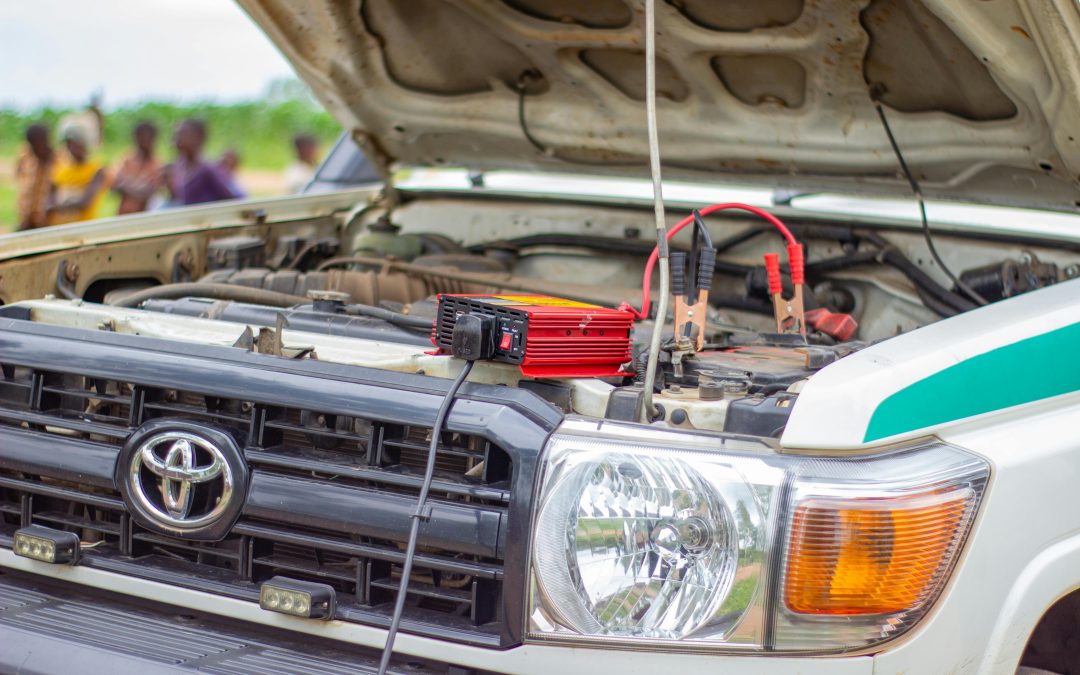
No one wants to hear that dreaded clicking sound when the key turns. In Australia, heat is often the real culprit, quietly damaging your battery months before it finally gives up. By the time winter exposes the problem, the damage is usually already done.
Here’s what every Aussie driver should know before the temperature really climbs.
Why Heat Is So Hard on Your Car Battery
Your car battery is a chemical system, and heat speeds everything up. High speeds might sound helpful, but it actually causes more harm than good.
High temperatures can:
- Accelerate internal wear and corrosion
- Evaporate battery fluids, especially in older batteries
- Increase self-discharge, meaning the battery loses charge faster
- Place extra strain on the battery when your car works harder in hot conditions
Add air conditioning, summer traffic and long holiday drives into the mix, and your battery is under constant pressure.
Why Batteries Often Die in Winter
Many batteries that fail in winter were weakened during the previous summer. Heat damages the internal components, reducing the battery’s overall capacity. When colder weather arrives, the battery suddenly has less power available, while your engine needs more effort to start. That’s why a battery that seemed “fine” all summer can suddenly fail when temperatures drop. Winter exposes the problem, but summer usually creates it.
Warning Signs Your Battery Might Be on the Way Out
Batteries rarely fail without warning, although the signs are easy to ignore. Keep an eye out for:
- Slow or hesitant engine cranking
- Dim headlights or flickering interior lights
- Electrical issues, like windows or infotainment acting up
- A battery warning light on your dashboard
- A battery that’s over three years old
If you notice any of these, it’s worth getting it checked sooner rather than later.
How Long Should a Car Battery Last in Australia?
In normalconditions, most car batteries last between three and five years. Hot climates, frequent short trips and heavy electrical use can shorten that lifespan. That’s why regular battery testing is so important.
So, How Do You Protect Your Battery Before Summer?
A little prevention goes a long way when it comes to avoiding breakdowns. We recommend:
- Booking a battery health check before summer or long trips
- Keeping terminals clean and secure
- Avoiding unnecessary electrical drain when the engine is off
- Not ignoring early warning signs
Our team at Angus Car Service can assess your battery before the heat takes its toll, helping you avoid unexpected breakdowns when you least need them. Get in touch to book your service!
FAQS
Q: Does hot weather really damage car batteries more than cold weather?
Yes, especially in Australia. Heat accelerates chemical reactions inside the battery, which leads to faster internal wear, fluid evaporation and reduced capacity. Cold weather usually reveals the problem, but heat is often where the damage starts.
Q: When is the best time to check my car battery?
Before summer is ideal, particularly if your battery is over three years old or you’re planning long-distance driving. A preventative battery check can spot early signs of failure and help you avoid a flat battery during busy holiday periods.